

UPDATED: 29th April 2026
If you’re planning to travel from the UK to Europe with your dog, cat or ferret in 2026, new rules came into force on 22nd April which affect the use of an EU pet passport. Here’s what UK pet owners need to know about EU pet passports, Animal Health Certificates (AHCs), travelling from the UK to Europe with your pet and the latest travel requirements.
Quick summary (April 2026 rules):
- EU pet passports are no longer valid for GB residents (official guidance)
- Animal Health Certificates (AHCs) are required
- LeShuttle initially said it would still allow pet owners to use their EU pet passports but have now U-turned
- Always check before travelling
What are the new UK to EU pet travel rules (April 2026)?
New regulations for people wishing to take their pets from the UK to mainland Europe are as clear as mud.
While LeShuttle was claiming that pets would still be permitted to travel with EU passports, on the day of the new regulation coming into force, they have done a U-turn and have updated the advice they are giving pet owners. Read on to make sure your pet doesn’t get refused entry on your next trip from the UK to the EU.
On 18th April, I was contacted by my very diligent vet, with whom we had an appointment the following week re a forthcoming trip to France. She informed me that new regulations were coming into force on 22nd April which could put a spanner in the works and could put an end to my imminent travel from the UK to Europe with my dog.
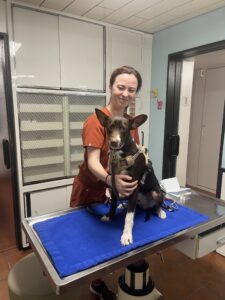
When I adopted Pablo, my Spanish rescue podenco (photo of him at the vet in Sindelfingen in Germany below), he arrived with an EU-issued passport, which has always made it simple for him to accompany me on trips to the continent. He is, in fact. better travelled than 50% of Americans!
Do UK pet owners now need an Animal Health Certificate (AHC)?
In one word: yes. The alternative to the pet passport is an AHC, which is only valid for one trip and has cost me around £250 when I have needed one. I’ve latterly learned that they can be obtained online for under £100 elsewhere.
Obtaining and using an AHC is also far more complicated a process. Even my vet is not a fan of them. Pablo has, in the past, travelled overseas from UK to the EU with me up to six times a year, making an AHC a more costly option than his passport, which is free.
My vet told me that she had been issued with an update by the UK government regarding travel on EU Pet passports that came into force on 22nd April and immediately thought of Pablo, knowing we were due to travel shortly. It seems utter madness that a vet had only heard about herself it six days before it come into effect!
Are EU pet passports still valid for UK travellers?
Don’t risk it! While the pet travel page on the UK government website didn’t provide an update when I first checked, the briefing my vet received stated:
“From 22 April 2026, new EU rules will apply to the non‑commercial movement of dogs, cats and ferrets entering the EU from third countries such as Great Britain. Pet owners are advised to check the entry requirements with the relevant authority in the destination country before travel.
“An EU pet passport, issued to or held by a pet owner who is resident in GB, will no longer be a valid document for travelling with pets from GB to the EU. This applies to EU pet passports issued in an EU Member State or Northern Ireland, including those issued before 22 April 2026. EU pet passports may only be issued to owners whose main residence is within the European Union.
“GB residents travelling to the EU with a pet dog, cat or ferret will need to obtain an Animal Health Certificate (AHC) for travel from 22 April 2026.”
Thanks heavens for a diligent vet, I thought, as other wise, how would I have known – and potentially risked being turned away at Folkestone when we check in due to new pet travel rules 2026. As if the new biometric entry requirements for humans wishing to gain access to mainland Europe aren’t enough to contend with, without another layer of complication (I am looking at you, those Brits who voted for Brexit).
Will UK pet passports return in 2027?
Rewind to May last year, when it was announced that the reintroduction of a UK pet passport system would replace costly AHCs. This follows a new UK/EU trade agreement having been reached, which is potentially good news for those wishing travel to France and beyond with a dog from UK.
The change, when it happens, will enable cats, dogs and ferrets to travel between the UK and EU using a single document which will be valid for life (provided rabies vaccinations are current), easing travel for pet owners.
On a side note, if you travel with your ferret, please make yourself known!
The agreement comes five years after the initial Brexit trade deal, intended as a “reset” to improve post-Brexit relations and reduce trade barriers, apparently.
With this in mind, in my view, it beggar’s belief why an extra layer of bureaucracy needs to be introduced at this stage. Or is it mainland Europe just flexing its muscles to punish the UK for pulling out of the European Union?
The UK passport announcement was welcomed by organisations such as the RSPCA and thousands of pet owners sighed with relief. However, there doesn’t appear to have been any progress and we’ve been told to expect it to happen in 2027. I won’t hold my breath.
What does LeShuttle say about EU pet passports?
Thinking Pablo wouldn’t be travelling any more this year and I would have to someone to dog sit him for our next trip, I expressed my annoyance on the Facebook group I am a member of – Travelling With Dogs In Europe / The United Kingdom (UK). Thankfully, a fellow dog owner said that LeShuttle (the new name for the Eurotunnel) was still allowing people to use their existing EU pet passports. She was told:
“Under new rules, veterinarians within the EU may only issue European pet passports if they can confirm that the pet owner has a residence within the EU.
“For LeShuttle, this change does not affect how we currently carry out our control procedures. We are not in a position to verify whether EU veterinarians have assessed or confirmed this residency requirement, as this remains solely the responsibility of the issuing vet.
“Customers who already hold a valid EU pet passport may continue to travel in both directions using this document. European veterinarians may also continue to record vaccinations and treatments in these existing passports.”
Rather than risk being turned away at pet reception on arrival at Folkestone, I thought I should double check/get it in writing too. This is what LeShuttle’s online chat told me today:
“Starting 22nd April 2026, the changes to pet travel for British citizens looking to get a European pet passport from EU vets will need to provide proof that they have residency and a permanent address in the EU in order to obtain an EU Pet passport.
“Any EU pet passports before this date are allowed to travel, but once this passport is filled up with treatments such as tapeworm or rabies they will be unable to be issued with a new EU pet passport. New applications will need proof of the owner having an address in Europe.”
For clarity, I asked if I was able to use Pablo’s EU pet passport to gain access to France in May. They said: “That is correct. As long as the passport is valid and has the correct vaccinations, then that will be absolutely fine.”
They also advised that, if I had any specific pet travel questions, I should contact the DEFRA Pet Travel Scheme helpline on 03000 200 301 (Monday to Friday 08:30-17:00) or visit https://www.gov.uk/guidance/contact-defra.
I had also emailed LeShuttle. The response I received further clarifies their (somewhat defiant) stance:
“Any existing EU pet passport will continue to be accepted by LeShuttle. As long as all required information has been correctly completed, and your pet complies with the rules to pet travel, your pet will be able to travel with us a planned, without any issues.
“The recent rule changes mainly relate to the role of EU-based veterinarians in issuing new EU pet passports going forward, rather than affecting passports that have already been issued.”
However, on 22nd April – the day the new regulations come into force – I got an update from LeShuttle, as follows:
“Further to our previous email, we wanted to update you regarding pet travel to the EU. This replaces the previous information we provided.
“LeShuttle operates in line with current UK and EU pet travel regulations. Pet owners are responsible for ensuring that their documentation is valid and correctly issued in accordance with official guidance.
“The issuing and eligibility of pet travel documents are matters for the relevant veterinary and regulatory authorities. Customers are advised to check the official guidance for their destination country before travelling. You can do that here.
“LeShuttle will continue to review and update its information as further official guidance becomes available.”
My vet added: “LeShuttle does not have any say or sway on legislation and I have found that the French officials can be incredibly picky with documents.”
That is where my fear lay. Imagine getting through pet reception at LeShuttle, only to be halted and turned away by French border control at Folkestone.
Now, when asked, LeShuttle isn’t commenting or giving advice at all.
Final verdict: Can you still travel with your pet?
While some brave souls are reporting that they are getting into the EU with their pet passports, I have decided to leave Pablo with family at home. I did look into getting an AHC online, at short notice, but decided against the expense and stress.
At the time of publishing, I had also reached out to P&O Ferries, to find out if they had a response to the new regulations, but have yet to hear from them.

If you’ve found this information useful, please check out other blogposts I’ve written about travelling with my dog:
- UK to EU pet travel: myths and facts revealed
- Dog-friendly France: vet insights and updated travel tips
- Channel tunnel or ferry: which is best? My dog and I decide
Please follow The Sun Lounger on social media:


