
You’ve checked out of your Airbnb, unpacked your suitcase and written a positive review – then a message lands from the host claiming you’ve damaged something and asking you to pay hundreds of pounds. Except it wasn’t you who caused the damage.
That’s exactly what happened to us after a recent stay in Le Touquet, France, when our host contacted me after we had left to say a shower door was broken and asked us to pay €392 for a replacement. Airbnb then warned that, if it decided we were responsible for the damage, the amount could be charged to the card used to make the booking.
What followed was a crash course in how Airbnb damage claims actually work, what evidence guests should gather and why it pays to protect yourself before you even leave a property.
It also highlighted something many guests may not realise: Airbnb’s process requires hosts to pursue reimbursement from guests before escalating certain damage claims through its Host Damage Protection process. So if you ever receive one of those messages after checkout, here’s what – and what not – to do.
About our stay
I am a regular visitor to Le Touquet and have been an Airbnb customer for the past 12 years, during which time I have booked several properties through the platform and received five star reviews from hosts. However, that is all going to change and I will only ever book through alternative platforms from now on.
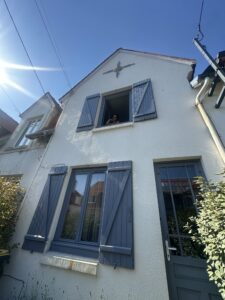
We visited in August 2026 and, given we needed a decent-sized property for six adults, I decided to book a house with three double bedrooms, giving us all plenty of space. The house itself was reasonably priced, in the ideal location for us and we had a great stay, albeit the house was a little tired. But we overlooked that.
There were minor issues, such as three large bikes being chained in the small external courtyard, by the outside dining table, taking up a lot of space, and a sitting room door handle that kept falling off, but we overlooked those issues and more and loved our stay. I was considering booking again, although having to pay extra for bed linen is something which does irk me, personally.
On departure day, we wanted to check out earlier than planned and asked the local agent if we could leave the keys somewhere for them. However, they said no and that they would meet us at the property, which they did, checked the house over while we were still there, and said all was fine. Thank heavens they did. We handed the keys back and departed from our lovely Le Touquet.
Back home the next day, I received a request to review the property, and I left a positive one. Shortly after that, I received a message from the host which said:
“Following your departure on August 17, we noticed that the shower door was broken (see photos). Could you refund us so that we can change it? The amount is €392. Thank you in advance. Have a nice day.”
They did indeed attach photos of a broken door. The thing is, we didn’t break it.
Obviously, if you cause damage when staying at any rental property, you should always admit it. Hosts are just trying to make a living, like all of us, after all.
When I disputed the claim and said I wouldn’t be paying, the host responded again: “It’s a report made after your departure. The photos prove it and it was Airbnb that advised me to initiate this procedure.”
She added: “I’m sorry but I’m not used to doing this kind of thing. I followed Airbnb’s instructions.”
It was then that I went through reviews from previous guests and saw that one party had flagged the same had happened to them at the same property, when they were asked to pay for a broken coffee machine, which they say they hadn’t used.
What happens when an Airbnb host claims you caused damage?
What many people will not know is that:
- Under Host Damage Protection (AirCover for Hosts), before Airbnb will consider reimbursing a host, the host must first make reasonable efforts to recover the alleged loss from the guest.
- Airbnb’s terms say the host must, within 14 days of checkout, explain why they believe the guest is responsible and request reimbursement from them.
- If the guest declines to pay, pays only part or doesn’t respond, the host can then escalate the matter to Airbnb under Host Damage Protection, at which point Airbnb reviews the evidence.
- Airbnb’s terms also require the host to provide ‘legitimate and verifiable evidence’ of the existence, extent and amount of the alleged loss. That can include evidence concerning the time, cause and origin of the damage, photographs/videos, receipts, repair estimates and documentation supporting the amount claimed.
- And importantly, Airbnb describes Host Damage Protection as covering damage if the guest does not pay; it isn’t simply conventional insurance that the host claims on without involving the guest first.
It led me to wonder how many people panic when they receive a claim like this and immediately pay out, without knowing their rights.
It seems I am not alone in having had an unjust claim about alleged damage made against me, including one of my Instagram followers who said they had a claim for a whopping €22,000! Here’s what some of my followers on social media have experienced:
“The owner checked us out. He checked every room, switching lights on, etc. He was very happy. We left a positive review, despite having a number of issues. Then we see he claimed for €1,400 damages!”
“This happened to a friend. They wanted €600 for curtains. They said the curtain pole was pulled off the wall and there was damage to them. But they had zero photo evidence.”
“A party of 14 respectful people, including two well-behaved children, were asked to pay £150 for a supposed new hole in wall plaster created by a door handle without a protective stub, which was already dented when we arrived. Infuriating.”
“The hosts claimed we had damaged their house. To show them we had taken good care of their garden, I had sent them a picture of my daughter watering the plants, so they knew we had touched it. I just stood my ground until Airbnb took charge of the issue. I had no clue it was the normal process for them. Very disturbing.”
“We had this recently, saying we ruined all the white towels and owed €100. They sent pictures and we definitely did not leave them like that. I disputed it and then never heard back from them. It felt like a scam.”
“They claimed we broke the tumble dryer. We were staying in an apartment in the south of France when it was 40+ degrees. We didn’t touch the tumble dryer the entire week or even go into the utility room it was in.”
And one added: “I operate on the same basis as a car rental. I take photos and videos on collection and the same on handing back. It’s sad but it only takes a few minutes and can save a lot of stress and potential money.”
One Airbnb host added: “It’s not the perfect process but with transparency and communication with the guests, it could be handled in a way that doesn’t leave you stressed or come as a surprise.”
How to appeal an Airbnb damage claim
I stood my ground and responded within their deadline. I was prepared to cancel my bank card and/or move money out of my account to prevent them having access to it, but thankfully, I eventually received an email from Airbnb, which said:
“After careful review of the available information, we have determined that, although the item(s) included in your host’s refund request may be eligible for payment under the Host Damage Protection Terms, part of the AirCover Host Protection, we do not have sufficient documentation to proceed with this request at this time. We’ll reach out to you if this changes, otherwise, you may consider this case closed. It’s important to remember that, in line with Host Damage Protection Terms, your Host has 30 days from the date of loss to submit supporting documentation.”
If you receive a claim for damage you didn’t do, don’t panic and don’t pay immediately. Remember that a host asking you for money is not the same thing as Airbnb deciding you are liable. Here’s what to do:
- Don’t ignore the request. Respond within the deadline. If you dispute it, say so clearly through Airbnb’s Resolution Centre.
- State plainly that you deny responsibility. If you know you didn’t cause the damage, say: “I dispute this claim in full and neither I nor anyone in my party caused this damage.”
- Set out the chronology. Explain when you checked out, whether anyone inspected the property, when the alleged damage was first raised and whether anybody entered the property after you left.
- Ask when the alleged damage was discovered. A photograph of something broken establishes that it was broken at some point; it does not necessarily establish when it happened or who caused it.
- Mention any independent inspection. If a cleaner, property manager or agent checked the property and said everything was satisfactory, make that a central part of your appeal.
- Keep everything on Airbnb. Airbnb specifically recommends communicating through its website or app because its support team may need to refer back to those messages.
- Don’t be intimidated by a warning that your card could be charged. Airbnb says guests should receive advance notice and an opportunity to appeal. If Airbnb does charge a guest following an unsuccessful appeal, its current help centre says the guest has 60 days after being charged to appeal again.
The holiday rental checkout routine I’ll use from now on
Our saving grace is that the local agent inspected the property while we were still there and reported that there were no damages, before we gave the keys back.
I won’t book an Airbnb property again. However, when leaving any rental property, my advice is to create a simple checkout evidence trail before you hand the property back, as follows:
- If something was already damaged when you arrived, report it immediately through the booking platform and take photos. Don’t assume the host already knows about it.
- Take a video of every room before you leave. Include floors, walls, furniture, windows, kitchen appliances, bathrooms and any items that could realistically be claimed as damaged.
- Film the property after you’ve packed and cleaned up, so it clearly shows the condition in which you left it.
- Make sure the date and time can be established. Keeping the original files on your phone usually preserves metadata, so don’t edit or resave them immediately.
- Keep all communication inside Airbnb or the booking platform where possible. A written record is much easier to rely on later than a phone conversation.
- If a host or agent checks the property before you leave, get confirmation in writing that everything is satisfactory. Even a message saying “Thanks, all fine” could be invaluable.
- Keep your evidence for a while after checkout. Don’t delete the videos as soon as the holiday is over.
Sadly, once a review is published on Airbnb, you have a small window of time in which to alter it and I have missed that window. Otherwise, I would certainly update what I originally said in mine.
I asked Airbnb for a comment, but published before they acknowledged or responded to my email. I will add a comment from them as and when they send one.
Note: none of this — or anything else, for that matter — could ever put me off wonderful Le Touquet. In my humble opinion, it remains the happiest place on earth, with plenty of lovely hosts. Want to read more about Le Touquet? Fill your boots:
- 48 Hours in Le Touquet
- Le Touquet winter jazz festival
- A guide to the best bars in Le Touquet
- The Sun Loungers’s top 10 beaches in Europe

Please follow me on social media:


