

Saudi Arabia is changing and has ambitions to be the next go-to, global holiday destination. But, what’s it really like? We speak to effervescent fashionista and content creator Justine Hawkes (Jud to her mates), who has recently moved to the kingdom, to get her view.
On social media, you’ll see a sun-kissed and tanned Jud sunbathing in her ex pat compound, socialising with friends, dining at swanky eateries in the Arabian sunshine, sightseeing around beautifully-preserved ancient towns and popping in and out of designer stores like Gucci and Dior, against a backdrop of an uber-modern, pristine skyline.
But is it easy for a westerner to navigate the conservative Saudi Arabian culture and Sharia law, in a country where it’s illegal to consume alcohol?

Jud (above) tells a story of overwhelmingly warm and friendly people who are proud to welcome westerners to their country. She believes Saudi will one day be as much of a tourist hotspot as Dubai, although it has some way to go yet.
My own impression of Saudi largely stems from a middle-aged woman I used to know once living there and not being able to leave the compound she lived on without having an approved male chaperone. Years ago, I sat next to someone at the hairdresser’s who was telling stories of when she lived and worked there. She spoke about women having to cover up and severe penalties for law breakers. All of this made me certain this was a country I would never, ever go to.
But then, fast forward to today, and I see Jud’s social media posts and a shiny, modern land with smiling people, her walking around solo, pristine architecture, her getting her nails done in salons alongside other immaculately-dressed women and her husband sipping (non-alcoholic) beer al fresco, outside an international restaurant. Her posts have taken me completely by surprise, as, its human rights record aside, this isn’t the Saudi I was expecting.
So, what is the modern-day truth about Saudi – the richest country in the Middle East – and is it about to become the new Dubai when it comes to tourism hotspots?
There were protests when Saudi Arabia won the bid to host the 2034 FIFA World Cup – the world’s largest sporting event – with plans to hold games across 15 stadiums in five cities. The most contentious issues includes the treatment of migrant workers, who will play a critical role in constructing the infrastructure needed for the tournament.
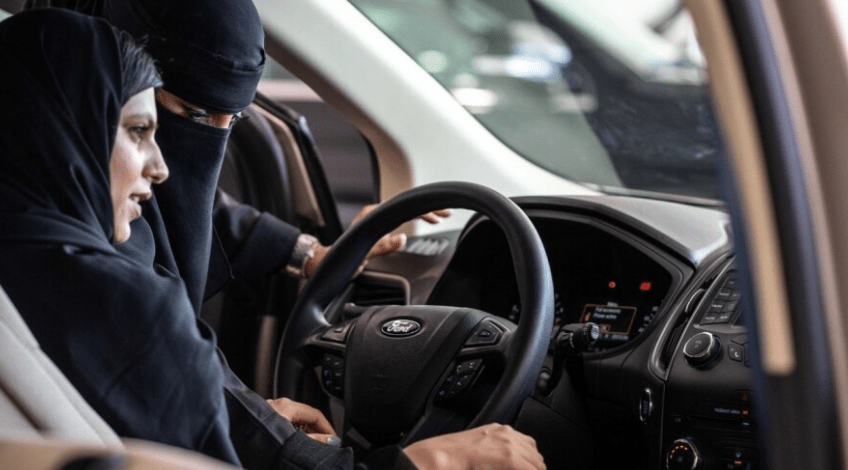
What of equality for women in Saudi? While the ban on women driving was lifted in 2022, Saudi Arabia has a male guardianship system, still giving men the power to make some decisions for women. The International Community and the Committee on the Elimination of Discrimination Against Women have recommended that Saudi Arabia abolishes the male guardianship system and Amnesty International says the system perpetuates gender-based discrimination.
While very different to western standards of gender equality, women over 21 can obtain passports and travel without needing permission from a male guardian, but they may still need a male escort to travel.
Like some other predominantly Muslim counties, alcohol remains illegal in Saudi Arabia and the country has prohibited the consumption, sale and possession of alcohol since 1952. I had no idea until Googling it that in the Maldives, alcohol is strictly regulated outside of private resorts. Every day certainly is a school day, it would appear!
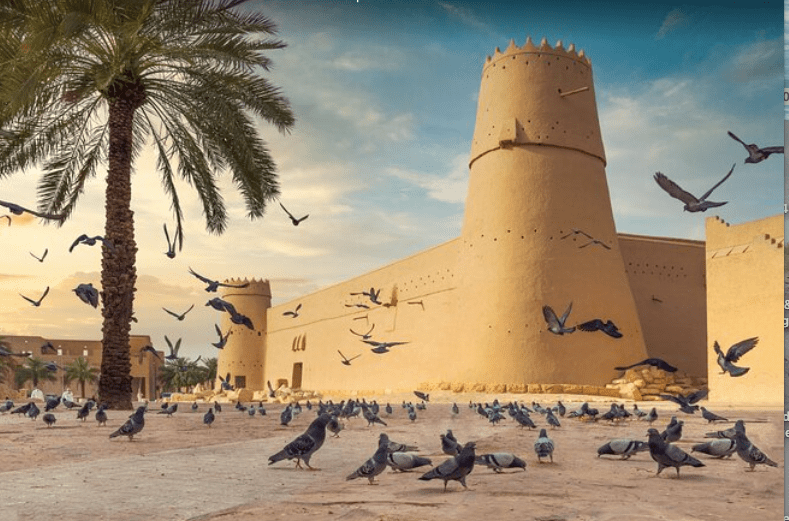
In Saudi Arabia, individuals caught drinking alcohol may be fined or imprisoned. Foreigners caught drinking alcohol may be deported. There are harsher punishments for individuals caught selling, especially if they sell to Saudi nationals.
However, diplomats may be allowed to bring limited quantities of alcohol into the country and a liquor store in the diplomatic quarter of Riyadh is open to non-Muslims who meet certain requirements.
It’s thought that the Saudi government may relax alcohol laws as part of its Vision 2030 development plan – a government programme that aims to diversify the country’s economy, society and culture, announced in 2016 by Saudi Crown Prince Mohammed bin Salman.

One of its aims is to reduce the country’s dependence on oil, much like Dubai has done, where, in 2023, visitor spending contributed over AED 180.6 billion to the UAE’s economy. Saudi plans to significantly expand its tourism sector, with a focus on attracting 150 million visitors annually by 2030 – and big hotel chains are already there.
Over to party-girl Jud, who’s UK home is just outside Manchester. She’s obsessed with shopping and fashion, and, since moving to Saudi a few months ago, has started to get into exercise to fill her days.
Her and her husband, a sales director, relocated in the summer and they live in an ex-pat compound in Riyadh. It’s not the first time living abroad for sun-worshipper, Jud (53). She moved to Toronto, Canada, when she was just 17 to work as a nanny, but returned home after just six months as she was homesick and couldn’t stand the -33C winters. She’s also lived in Cyprus and Dubai.
Read on to find out what Jud says about Saudi as a place to live and visit:
The Saudis are the most lovely, warm and friendly people. I haven’t once felt intimidated going out alone and have been treated with the utmost respect, from both males and females.
Honestly, when my husband told me we had the opportunity to relocate but the job was based in Saudi I was very anxious as I didn’t know what to expect. However, I am very pleasantly surprised. Having lived in party-central Dubai, there is a huge difference, but we have settled in much better than I thought we would.

Living as an ex-pat in Saudi
We are currently living in the capital, Riyadh, inside a compound. It’s so much easier to live inside a compound as an ex pat as you have more freedom. That’s why the Saudis provide them for us – to make us feel more at home. We’ve already made lots of friends.
There are some amazing places to visit, however, they are limited at the minute. I wrote a bucket list of things to do when I came and there’s still a few to go, but I would imagine if we are still here or came back in 10 years, it will be a completely different experience and will have changed so much again. They are investing and building everywhere.
I will be returning to the UK quite often, to see friends and family, and one of the reasons is that it isn’t easy to fill my days, to be honest, as I’m not working. I do lots of exercise, cook a lot, visit all the shopping malls and go out with friends for lunch. There’s a complimentary mini bus on the compound that leaves every day at 9am and takes us to different places and brings us home, so it’s not a bad life at all!
I honestly believe Saudi 10 years it will be the ‘new Dubai’ for tourism. However, at the moment, I couldn’t wholeheartedly recommend it as a westerners’ holiday destination as I don’t believe it is truly ready. But, it’s my personal opinion that, in the future, it will be an amazing place to holiday.

Weather in Saudi
One of the benefits of living here is the weather which, at the moment, in February, is lovely and very much like a good summer’s day at home in the UK. The summer is crazy-hot which I’m not really looking forward to – possibly up to 50 degrees plus – but there’s no humidity, unlike on the coast.
Respecting the local culture in Saudi
A few years ago, they changed the law as ladies were never allowed to drive alone or go out without a male companion. I’ve spoken to many Saudi ladies who were so happy when the law changed and they now have more freedom, although some of the ‘old school’ may not believe this is a good thing.

It’s very easy to respect the local culture, as long as you always remember where you are. You used to have cover completely as a woman, including your hair, but, since the changes, you can now wear western clothes, as long as you are respectful. You have to wear trousers or long skirt to cover your knees and cover your shoulders too.
Despite what you might think, you can hold hands with your husband and I’ve seen many Arabic couples holding hands, but I would never be over-affectionate or kiss in public.
From what I have seen, I believe that most women are treated with equality and certainly have been whilst I’ve been here.
The Saudi people
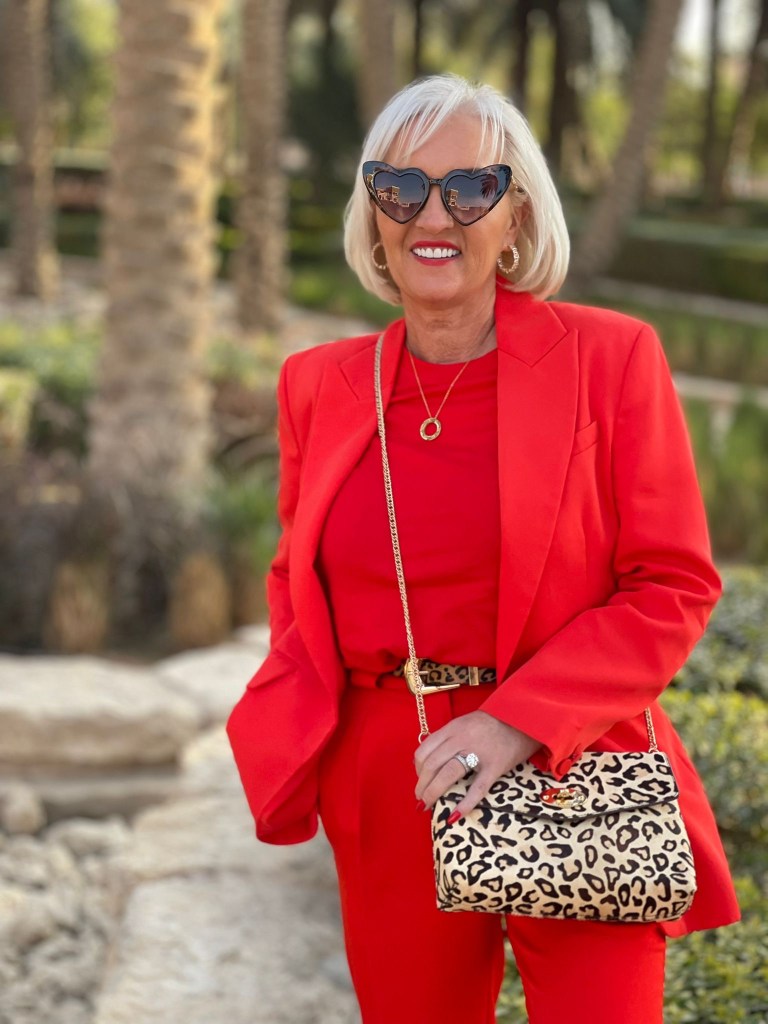
The people here are lovely. I can’t emphasise that enough. For example, we went out for the day to Ad Diriya and I wore a bright red suit. I honestly thought there would be more westerners there, but we were among the only ones.
When we got there, there were hundreds of locals, with men in their thawb – a long-sleeved, ankle-length robe – and ladies in their abayas – a loose, robe-like dress that covers the body from the shoulders to the feet, except for the hands and face. It’s worn by some Muslim women as a symbol of modesty and religious identity.
I was wearing a red trouser suit and, with my blonde hair, stood out like a beacon. I lost count of the amount of people who came up to me to pay lovely compliments! They were all staring at me, but not in a negative way. My husband was laughing because we couldn’t walk round without being stopped.
I think they liked the fact it was dressed so brightly, but I was also covered up, so I was respectful. So many ladies asked if they could take a photo of me. If you’re blonde, you get used to being stared at, because people are not used to it.

When you walk into shops, people are forever coming up to you and saying: “Welcome to Saudi.” They really are the most lovely and welcoming people, and proud to have you in their country.
Where to go in Saudi:
Diriyah
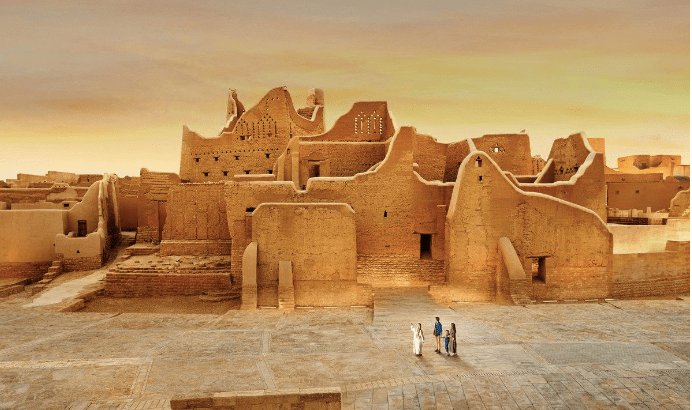
Known for traditional mud-brick architecture, this is the most beautiful, peaceful kind of zen, relaxing place. It’s the birthplace of Saudi Arabia and they have made it a destination for locals and ex pats alike.
It’s home to a pedestrianised maze of winding alleyways with cafes and craft shops. Sites to visit include Diriyah Museum, a former palace with exhibits on Saudi history. A river lined with date palms runs through Wadi Hanifah valley and it’s a popular spot for waterside picnics, walking and cycling. See Jud’s day trip here.
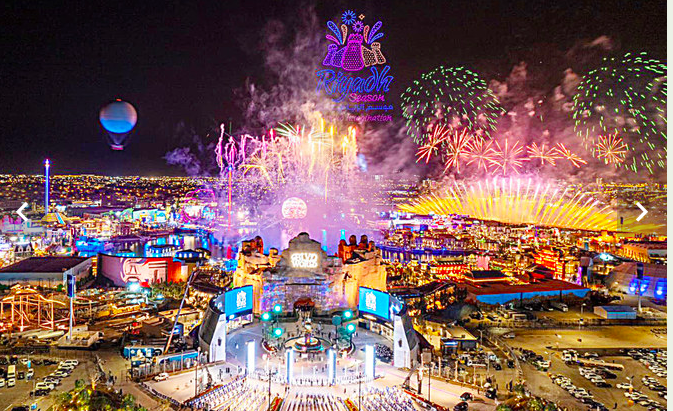
Boulevard World is very commercial, like a huge theme park but better, with amazing shops and restaurants themed from all over the world. It also features the world’s largest man-made lagoon.
There are dozens of culturally-oriented subzones in Boulevard World, including China, France, Italy, Spain and Egypt, for example. It’s one of the few amusement parks supported by Saudi Vision 2030 to make Saudi Arabia the entertainment capital of the world and diversify its economy away from oil.
Cost-wise, living in Saudi it’s mixed, but some things are very cheap. For example, the ticket for Boulevard World was just £6 a person, which at home would be so much more expensive. But they also have amazing restaurants, with prices much the same as in London.


Cost of living in Saudi
The cost of living – especially in the two largest cities, Jeddah and Riyadh – is comparable to other major cities around the world. But, salaries are high, so ex-pats can have a comfortable life here.
Food shopping is mixed, with local things being very cheap but imported goods very expensive. Fuel is eye-wateringly cheap compared to the UK (about 35p a litre), as is electricity. But the rents are getting a more expensive now the popularity is growing for ex pats.

For example, a three-bedroom villa on an ex pat compound can cost between SAR 120,000–200,000 (£25,500- £42,500) per year, depending on the compound’s star rating, location and amenities. But remember that Saudi has a tax free status for westerners working here.
The shopping malls are great and very similar to home with high street and designer stores, but more expensive than the UK. There are plenty of brands you won’t see in the UK and Saudi has some exciting fashion brands of its own. Alongside that, you’ll see the likes of Debenhams and Tesco’s F&F, as well as Adidas, Nike, Sketchers and Dior!
Eating and drinking in Saudi
There are some amazing places to eat in Riyadh, with restaurants from all over the world, including lots with Michelin stars. There are names a western foodie will recognise, like Gymkhana and Scotts, plus Riyadh has also seen the rise of local restaurant concepts that blend traditional Saudi Arabian flavours with modern tastes.
I love a glass of wine and living in a dry country therefore presents its challenges. The good thing is there’s so many other places in the Middle East that you can drink alcohol so we are planning weekends away every few weeks so we can have a break from our healthy, teetotal lifestyle in Saudi. We have weekends booked in Bahrain and then Dubai coming up very soon.
They sell lots of none alcoholic wines and beers here already and I’m absolutely sure they will relax the alcohol law over the coming years, much like they have done in Dubai, where you can drink alcohol in resorts and certain licensed restaurants. In my view, this is a must for the country if they want to attract more tourists.
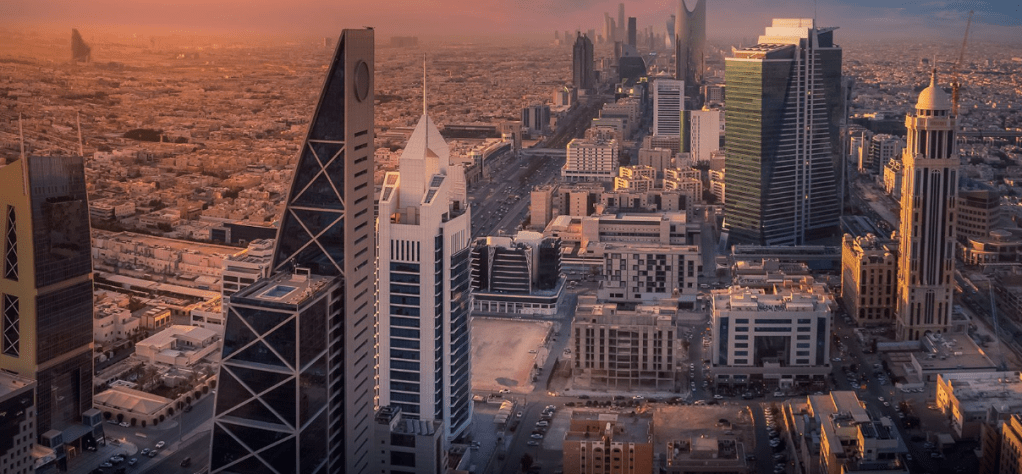
In a nutshell for me, the positives about living in Saudi are:
- Lovely, friendly local people
- It’s very safe
- There’s guaranteed sunshine
- There are lots of places and destinations to visit which are not too far away
- And the big one, which is why most ex pats are here, is that it’s tax free
…and the negatives:
- The roads and traffic are horrendous, with absolutely crazy drivers
- The summer months are incredible hot
- There’s lots of building work going on everywhere, which is to be expected as it evolves
- And there’s no wine!

To me, the transition from the old Saudi is a work in progress and they are investing absolutely billions of pounds into making it the number one tourist destination. They’ve already started to do many concerts and huge sporting events here. The general feeling is that they are super excited for this and I’m sure it will be a huge success.
Jud doesn’t have a timescale on how long they will live in Saudi, but you can follow her life in the Arabian sunshine, with frequent visits back to the north of England, on Instagram here.
Liked what you just read? Please subscribe to The Sun Lounger for more travel news, reviews and interviews.
Please follow The Sun Lounger on social media:
https://www.instagram.com/thesunlounger/
https://www.facebook.com/thesunlounger


 The Sun Lounger
Leave a comment