

A culture junkie with a passion for life, Deborah Fowler was literally moved to tears by a building on a recent trip to Andalucia.
Describing the Mesquita Mosque in Cordoba, Spain, she said: “It’s impossible to overemphasise the impact this building had on me. When you enter the Great Door of Forgiveness, you wait in anticipation for the building to unveil itself and, once it does, it stops you in your tracks and takes your breath away.
“The rush of emotions and the wonderment of being in such an incredibly special place overwhelms you. We were encased within one of the most amazing buildings I have ever visited. You can’t help but feel it inside, and it brought me to tears.”
Deborah loves to spend holidays getting a fix of history by exploring cultural treasures throughout Europe with a fresh pair of eyes, having spent years of holidaying predominantly in the UK, with family.
Originally planning to take a brief city break in Seville in southern Spain with husband Mark, she started researching the city and quickly discovered there were other historical sites, rich in culture and history, that she couldn’t miss out on while there.
So, what was intended to be a weekend break quickly became three city breaks rolled into one, taking in Seville, Cordoba and Granada, travelling between each by train, watching in comfort as the sun-kissed Andalucian hills flashed by.


Curious to find out if Spanish trains are as unreliable as British ones, we caught up with Deborah, who lives near Stamford in Lincolnshire in the UK, on her return, to find out about their luxurious trip. Here’s what she said:
We’d never been to mainland Spain before, so it was such a spellbinding experience to be able explore somewhere new to us which was so rich in heritage, having been drawn to the region by its history, culture, food and wine, the people and its affordability.
We’d read reports of how local people in other parts of Spain, such as Barcelona and the Canaries, haven’t been at all welcoming to visitors and, in fact, have protested, throwing water at tourists and chanting for them to go home. By contrast, the Andalucian people were some of the friendliest we have met – so warm and welcoming.

In Andalucia, you will find the finest examples of Islamic architecture, the Moors having ruled for over 800 years until, in 1492, the Catholic monarchs seized control. Islam created a great culture in Spain. It was fascinating to learn so much about something I knew very little about.
We spent three nights in Seville and two nights both in Cordoba and Granada, enabling me to overdose on culture and history, which are two of my passions. The mosque in Cordoba utterly moved me, but there is much more to see in the region. Here are my recommendations:
What to see in Seville (days one to three):
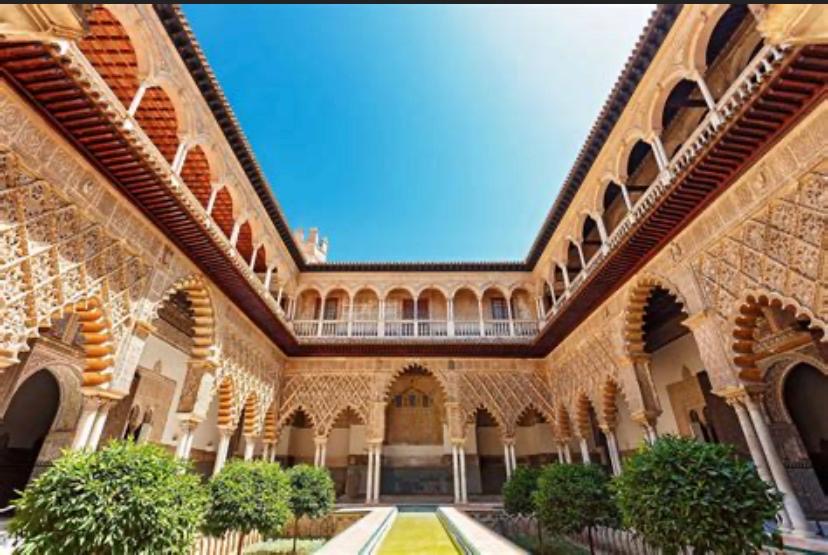
The Alcázar of Seville: officially called Royal Alcázar of Seville, this is a historic royal palace, which was formerly the site of the Islamic-era citadel of the city, begun in the 10th century and then developed into a larger palace complex by the Abbadid dynasty and the Almohads. Tickets start from €33 per person.

Seville Cathedral: a Catholic cathedral and former mosque in Seville, it was registered by UNESCO as a World Heritage Site, along with the adjoining Alcázar palace complex. It is the final resting place of Christopher Columbus. Tickets start from €30 per person.

Plaza de Espana: built in 1928 for the Ibero-American Exposition of 1929. It is a landmark example of regionalism architecture, mixing elements of the Baroque, Renaissance Revival and Moorish Revival styles. Admission is currently free.

Setas de Sevilla (Mushrooms of Seville): initially called Metropol Parasol, this is a large, modern, predominantly wood structure located at La Encarnación square in the old quarter of Seville, Spain. It’s thought to be the largest wooden structure in the world. It’s impressive, but not a patch on the more historic sites. View it from the square for free.
Where to stay in Seville:
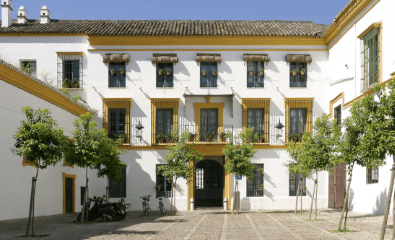
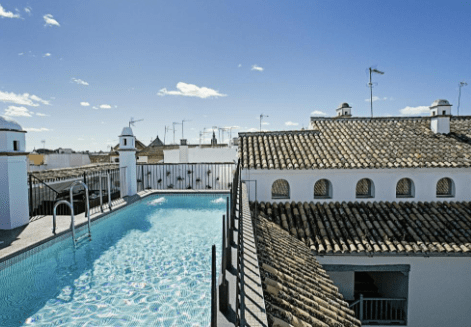
Hospes Las Casas Del Rey De Baeza (four star): located in the heart of the historic old town, this former 18th century farmyard has a traditional Andalucian feel, but now has a rooftop pool with hammocks. It’s just 10 minutes from the Gothic cathedral and one of the oldest palaces in the world. It was great to stay in such a traditional, Andalucian building. Price: €250 per night.
Days four to six: Cordoba
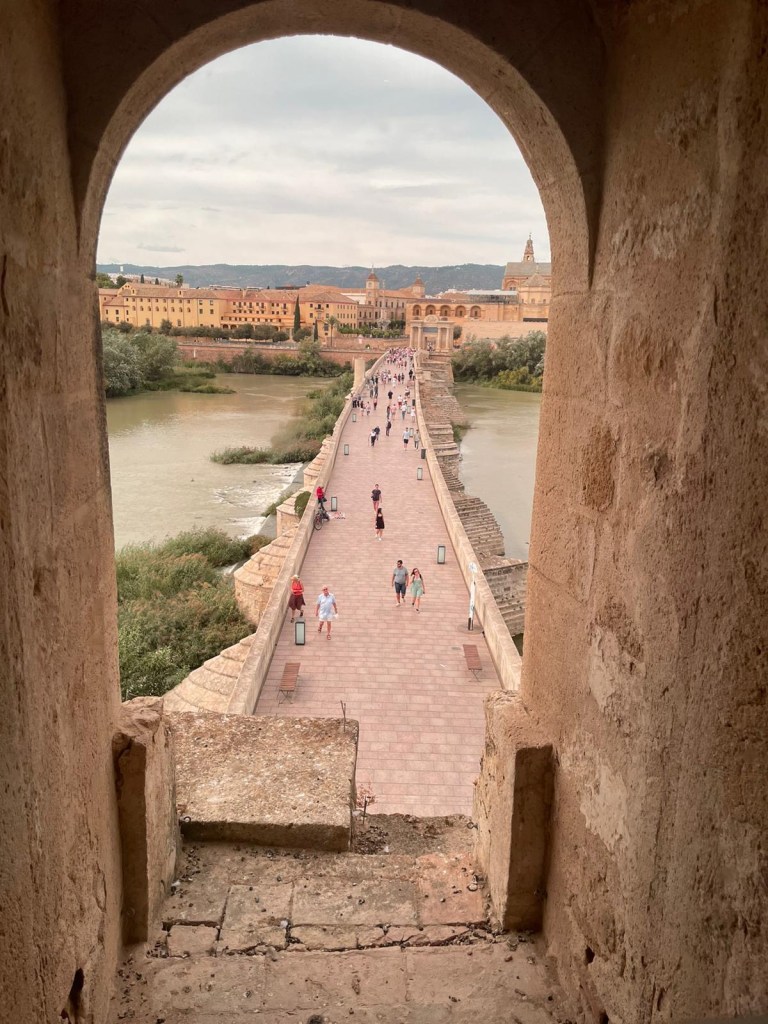
The crossroads of European history, the role of Cordoba was pivotal to the opening of the new world. I utterly loved this place!
What to see in Cordoba (days four to six):

The Alcazar: was the HQ of the Spanish Inquisitions. Here, Queen Isobel and King Ferdinand were persuaded by Christopher Columbus to fund his trip originally to Asia but landed in the Americas. He brought untold wealth to Spain, sailing galleons groaning with gold along the Cadiz river and transformed the world we know today.
Here, Jewish, Islamic and Christian faiths for once lived in harmony for hundreds of years. However, Queen Isobel expelled all who would not convert to the Catholic faith and therefore Cordoba was left with just the legacy of the religious architecture, which is utterly breath-taking. Tickets from €33.90.

Mesquita de Cordoba: one of the most remarkably beautiful buildings in the world. It integrates the historic layers of different cultures. Once an Islamic mosque and declared the world’s greatest Islamic building, it has 850 pillars and a forest of columns, with mesmorising aisles of Jasper and coloured marble. It really does move you when you enter. Even if you can’t retain all of the information, you just feel the history in your bones..
In the 16th century, it became a catholic cathedral and muslims were not allowed to worship here any more.

The Spanish love all things Gothic and you will find a fusion of Islamic and Gothic style here, with so many sections to this World Heritage site that somewhat confuses the mind. It was one of the absolute highlights on our tour. Tickets from €36 per person.
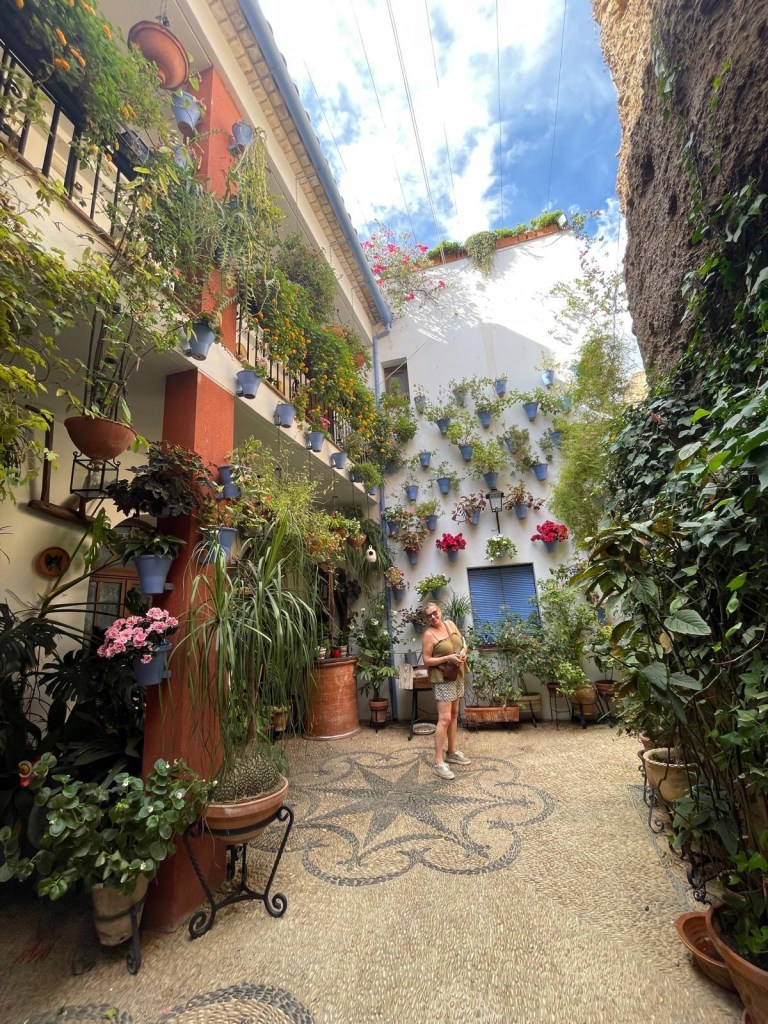
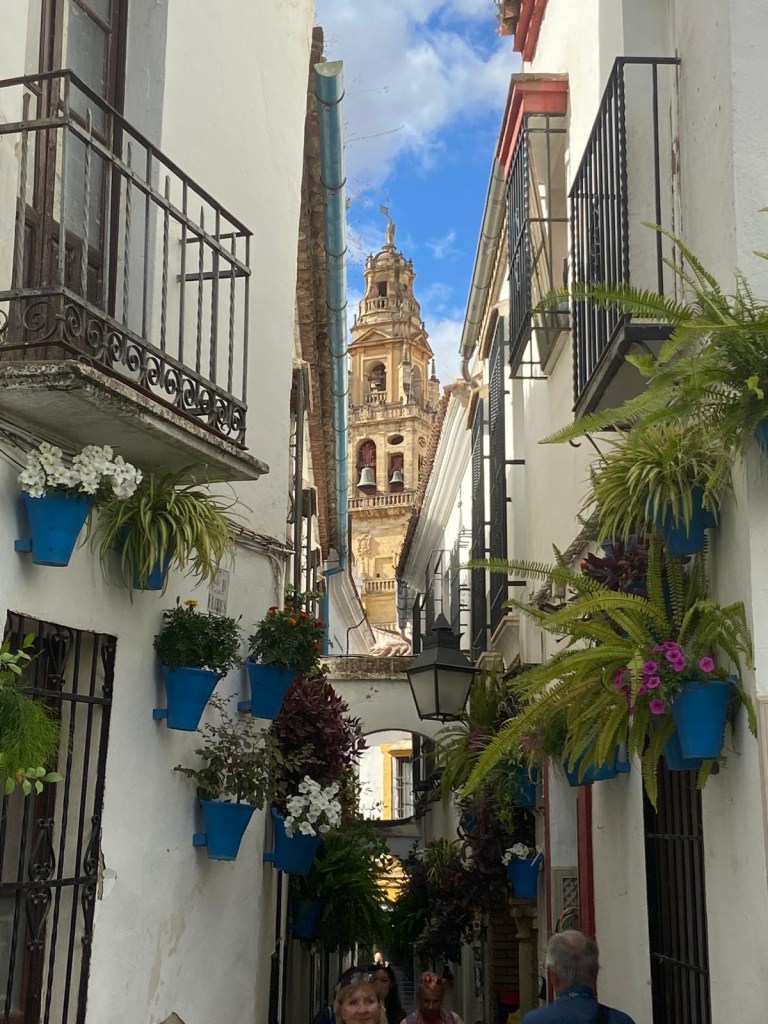
Patios of Cordoba: while we visited in early October, the Cordoba Courtyards come into their own in the first fortnight of May each year, with the Festival of the Courtyards, declared another world heritage site in which those owners participating in the contest open up their courtyards to the public.
However, it is possible to visit the courtyards in Córdoba all the year round, and visiting outside the festival dates is probably a better time to do so, without the huge crowds and long queues. Tickets from €15.
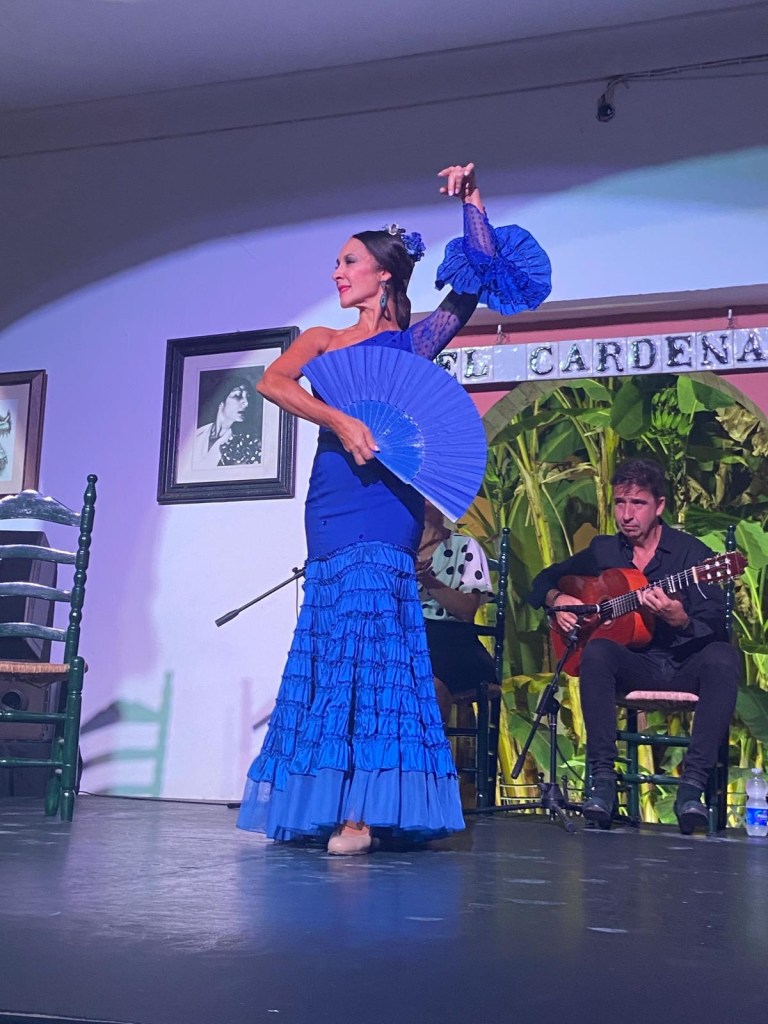
While you’re in the region, you’d be missing out if you didn’t see some flamenco performed in its home. You can do so at one of the many tabancos in the region, while impromptu flamenco also sometimes pops up in squares throughout the different cities.
Where to stay in Cordoba:

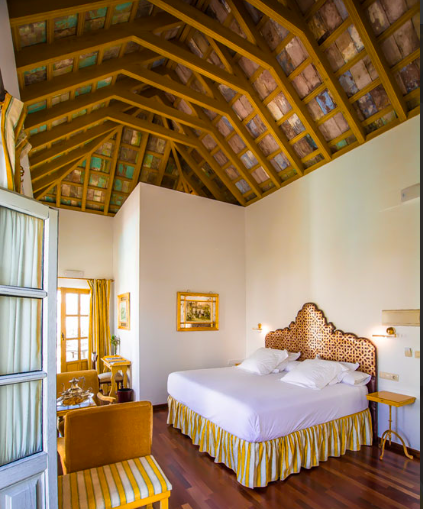
Hotel Las Casas de la Juderia: as its name suggests, this four star hotel is made up of five 17th and 18th-Century houses with lovely gardens, fountains and patios, opening its doors right in the old Jewish quarter of Córdoba, opposite the Alcázar de los Reyes Cristianos and 200m from the Mosque Cathedral of Córdoba. Anothe stunning hotel in traditional Andalucian style. Price: €115 euros per night.
What to see in Granada (days six to eight):
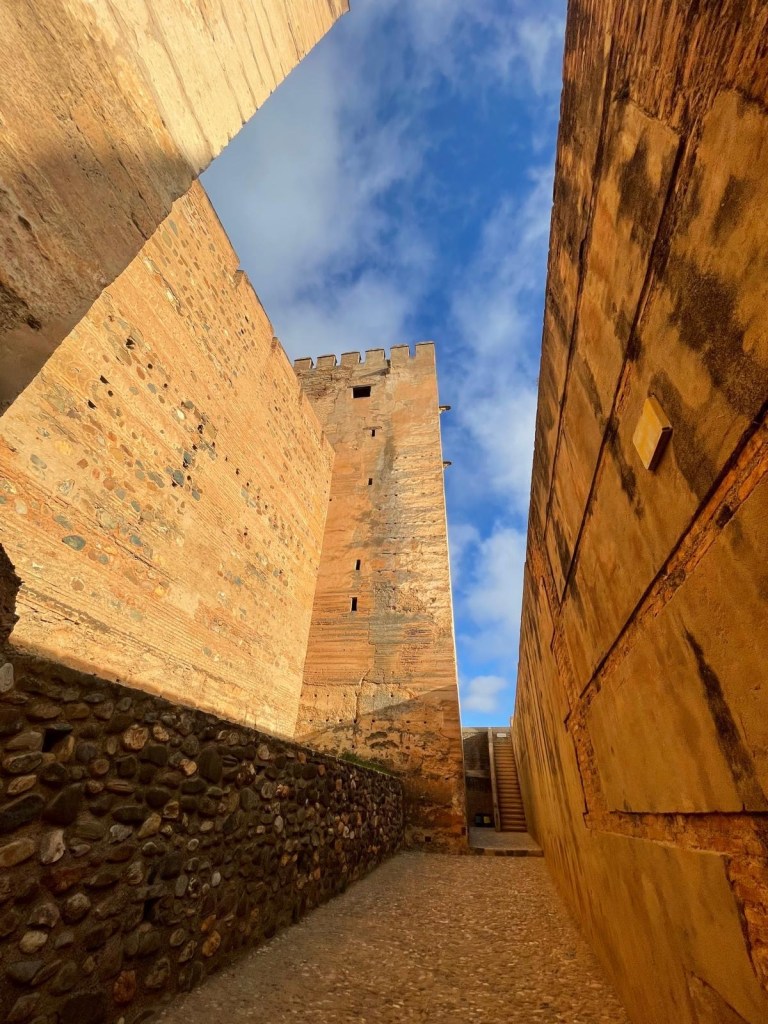
Granada sits at the foothills of the Sierra Nevada mountains. It’s known for grand examples of medieval architecture dating to the Moorish occupation, especially the Alhambra. This sprawling hilltop fortress complex encompasses royal palaces, serene patios and reflecting pools from the Nasrid dynasty, as well as the fountains and orchards of the Generalife gardens.


Alhambra Palace and Generalife: it’s s one of the most famous monuments of Islamic architecture and one of the best-preserved palaces of the historic Islamic world, in addition to containing notable examples of Spanish Renaissance architecture. The Generalife was a summer palace and country estate of the Nasrid rulers of the Emirate of Granada. It is located directly east of and uphill from the Alhambra palace complex. We booked our friendly, English-speaking tour guide, George (below), directly from our hotel. Tickets from €39.
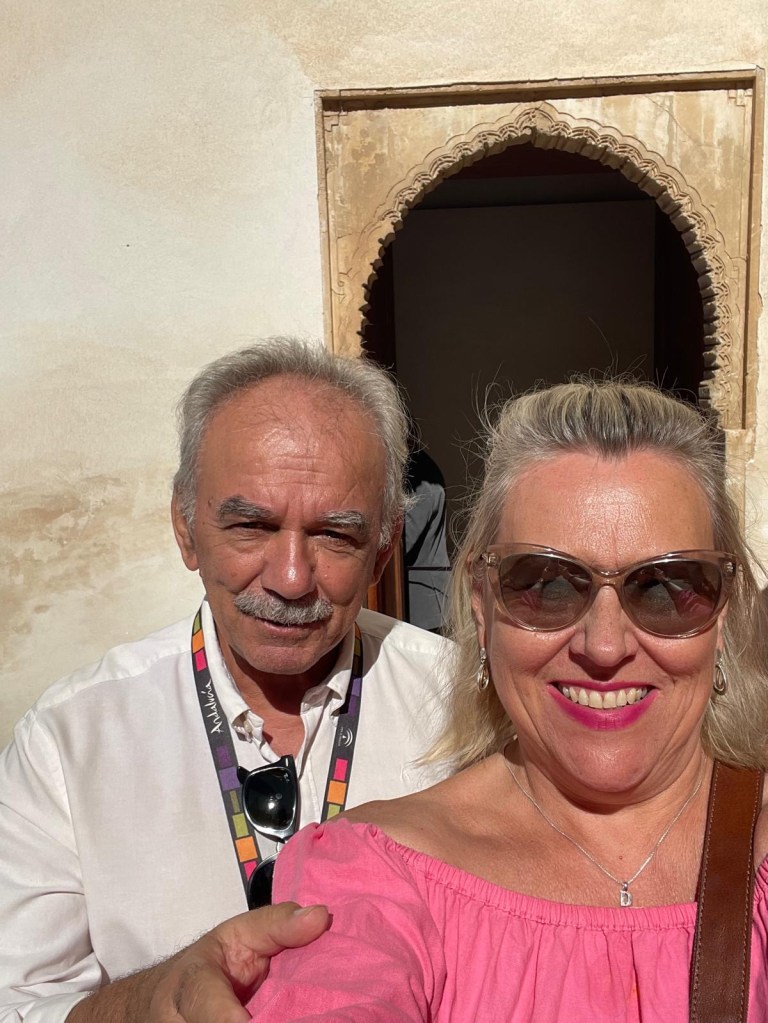
Queen Isobel and King Ferdinand were laid in state in the hotel in which we stayed, The Parador Hotel, in the grounds of the Alhambra Palace, before being moved the the chapel in Granada.
Where to stay in Granada:
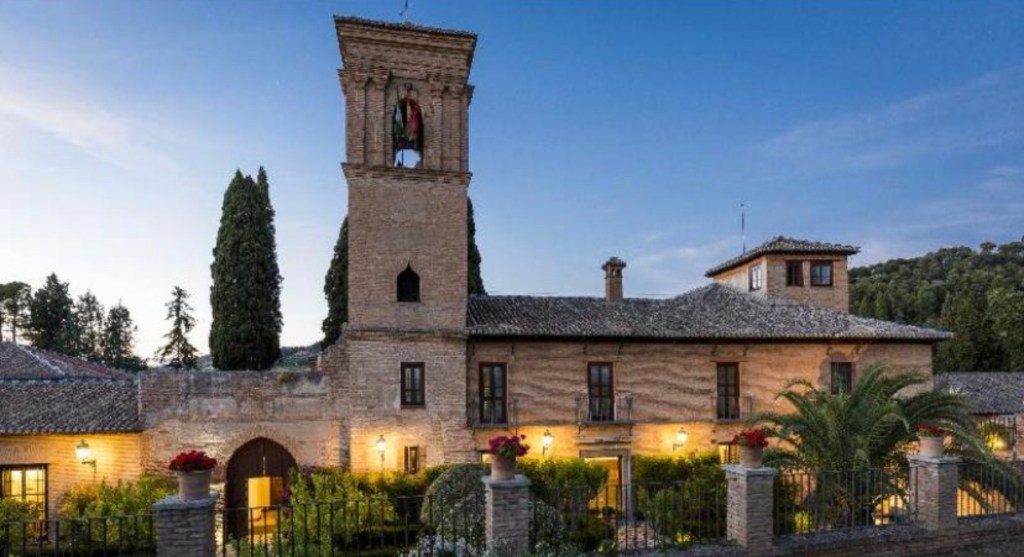
Parador de Alhambra Palace: another exceptional four star hotel, this time overlooking the city of Granada and located on the top of the hill, in the heart of the romantic Alhambra. The hotel has been a symbol of Andalucian luxury and elegance since 1910.
A parador is a luxury hotel that’s usually located in an historic building, The paradores are owned by the Spanish government and are known for their unique locations, high-quality service and cuisine, It’s wasn’t a cheap hotel by any means, but worth every penny to stay within the Alhambra. It was magical. Price: €300 euros per night
What’s the food like in Andalucia?
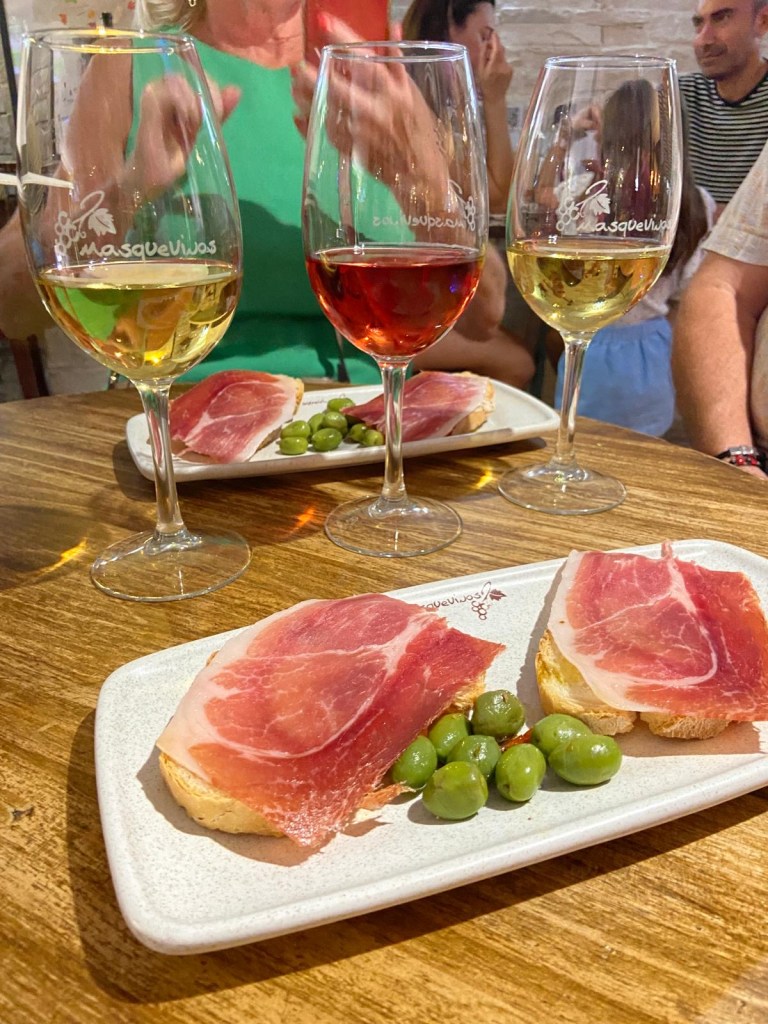
The fusion of Arabic, Islamic, Jewish and traditional Spanish food was spectacular. There are so many restaurants to choose from, depending on what you fancy. We didn’t book any restaurants in advance and just walked the streets of each city and managed to stumble across excellent tapas bars. In hindsight, I recommend booking ahead.
In Seville, the Triana region has a wonderful selection. Cordoba is smaller but has a few roof top bars and many Michelin guide eateries. In Granada, we ate in the Albacin region, with its iconic view of the Alhambra Palace.

Our chosen hotels and flights were expensive but all regions were surprisingly inexpensive. A glass of wine/beer was around €5, while a meal for two, including drinks, was no more than €50.
Travelling by train in Spain

Normally, we would stay in one area whilst on holiday, but once we decided to visit other parts of Andalucia, the train was the easiest, quickest and most relaxing way of travelling between cities.
We booked our flights independently and found a new company called Railbookers who specialise in rail holidays. However, because of endless complications, we decided to book our rail journeys ourselves. Due to our personal experience, I personally wouldn’t feel comfortable recommending Railbookers.
Renfe is the Spain’s national railway company and all trains were on time, very easy to navigate. Taxis from the hotels to the train stations were just €5-7 euros each, making it a comfortable and reasonable way to travel. The trains were plentiful and we didn’t have the anxiety of trains being cancelled, late or strikes, like in the UK. They all ran like clockwork.

To give an example of costs, to travel from Cordoba to Granada (207km/128 miles), we paid €25 euros per person, which is significantly cheaper than the UK and an all-round better experience.
Tips for travelling to Andalucia:

- Consider carefully when you go. This region is an area known as ‘the frying pan of Spain’ and in late September/early October it was 30 degrees (but comfortable). This is their busiest time of year due to the summer months being unbearably hot and reaching up to 45 degrees
- This also has an impact on the volume of visitors. Tourist attractions in late September/early October were very busy, but I booked all of the important world heritage sites via Klook in advance and skipped the queues, so recommend anyone visiting to do the same.
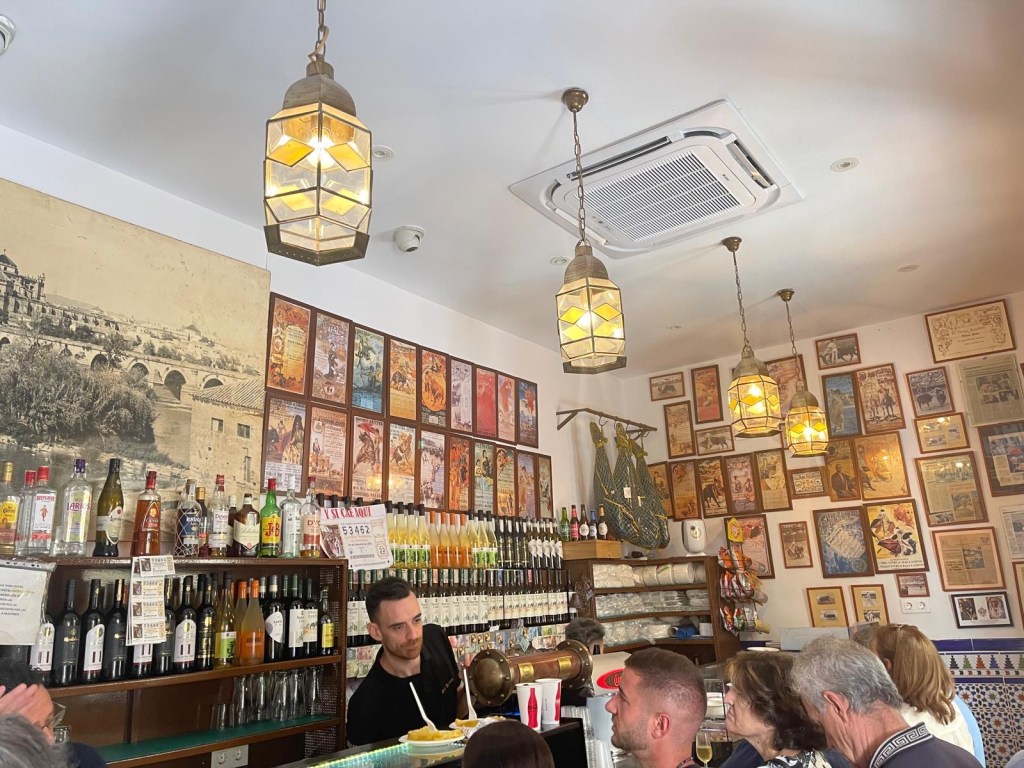
- Pre-book restaurants as they were all so full (and there were people queuing outside). It’s easy to turn up at a tapas bar without reservations but the best restaurants were chocca, which dictated where we were able to eat
- Learn a little of the Spanish language as it goes a long way
- Stay longer than a week! There are so many wonders of the world to see in the region

During the week, I learned the meaning of ‘duende’: a quality of passion and inspiration, and gathering of hearts among friends, new and old. That says it all. I just wish I had discovered this region a lot sooner.
If you enjoyed this review and want to read more about Andalucia, click here to read our blogpost about Jerez.
Please follow The Sun Lounger on social media:
https://www.instagram.com/thesunlounger/
https://www.facebook.com/thesunlounger


 The Sun Lounger
Leave a comment